
There is a world of difference between a generic talk on kindness and a session led by a true speaker on empathy—and it’s immediately felt in company interactions. Only seasoned speakers know how to bring dialogic skills to life—the ability to truly listen and respond—and provide teams with practical tools to nurture professional relationships, even during times of tension or transformation.
A speaker on empathy brings operational insights to a corporate conference or seminar, helping managers and staff move beyond misunderstandings and establish a lasting climate of trust. On this page, compare profiles who approach empathy differently: not just as a trendy topic, but as a strategic resource to streamline communication and strengthen collective engagement, from the executive committee to all teams.
Read more Read less
Empathy at work: dialogic skills as a lever for collective alignment
Inviting a speaker on empathy to an HR seminar or management convention is much more than starting a discussion about kindness. It offers your teams a space where dialogic skills—the art of truly understanding others—break down silos and spark real synergies. Far from theoretical speeches, a well-delivered empathy talk immerses the audience in the realities of daily interactions, allowing everyone to examine together the mechanisms that unite or divide a team.
What sets these sessions apart is the speaker’s ability to make the flow of emotions and intentions tangible. In a professional context, empathy becomes a pragmatic tool to defuse tensions and reinvent the way people interact, from shared offices to the executive boardroom. This mirror effect is what makes dialogic skills the beating heart of workplace cohesion.
The meeting table: a testing ground for active listening
When empathy enters the open space, it doesn’t remain theoretical. A speaker on empathy transforms the meeting table into a testing ground where every participant becomes an active player in the quality of relationships. Far from being just a “soft skill”, active listening comes to life through practical exercises that surface unspoken issues and reveal the real drivers of cooperation.
The impact is seen in how colleagues dare to express their feelings, ask open questions, and receive others’ viewpoints without hierarchical filters. This dynamic, led by a dialogue expert, highlights empathy as a driving force for moving beyond the routine of professional exchanges.
Managers, HR, leadership: who really benefits from experiencing dialogic skills?
The power of an empathy talk isn’t limited to operational teams. Managers, HR, and senior leadership find in this format a rare opportunity to re-examine their own relational approaches. Dialogic skills become a catalyst, challenging leadership styles, disagreement management, and feedback processes within the organisation.
By involving every level of the hierarchy, a speaker on empathy drives cultural transformation in the company. It’s no longer just about encouraging harmony, but about ensuring everyone feels heard and understood in their challenges. This is often where the most valuable breakthroughs happen, capable of sustainably energising collective dynamics.
Lespeakers bespoke: when empathy is tailored to your team’s reality
At Lespeakers, every request on empathy and dialogic skills begins with an in-depth conversation with the organiser. To ensure the talk resonates with your team’s real issues, we select the speaker whose experience and style best fit your context: workplace climate, relational challenges, or the desire to break down silos.
Because every group has its own story, we believe a session on empathy must be unique. Our approach values the diversity of experiences while guaranteeing a dynamic, practical session. This bespoke touch makes all the difference and gives dialogic skills their full impact in your team’s daily life.



Discover our speakers and experts on empathy
We help you find the right speaker
Share your needs with us: we'll contact you in under an hour.
After a quick exchange, we'll come back with a tailored selection of speakers.
Confirm your choice and sign off with your selected speaker.
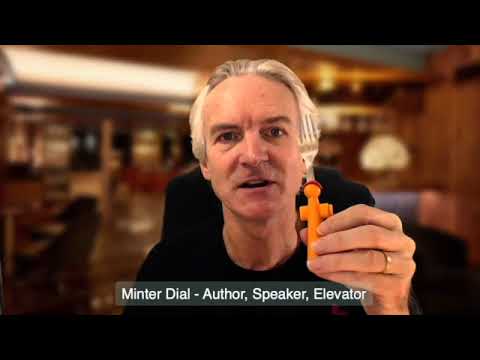
Minter Dial
Speaker, Author, Consultant
- Spoken languages
- French, English
Minter Dial is a speaker, author, filmmaker, and consultant on branding, transformation, and leadership. Minter is a man who combines inspiration with concrete actions. As the saying goes in English: "he walks the talk and does what he says." He practices what he preaches. Having changed countries 15 times, moved more than 30 times, and held about fifteen jobs, Minter knows what change and adaptability are. Working…
Belinda Parmar
CEO of The Empathy Business. Expert on Empathy in Leadership, Emotional AI & Diversity.
- Spoken languages
- French, English
Bio: Belinda Parmar OBE Key topics: Human Leadership in an AI world, Emotional AI, Change Leadership, Empathy in leadership. Industry experience: AI, Tech, Healthcare, Pharma, Finance, Energy, Government. As CEO of The Empathy Business and a Non Executive Director for the Ministry of Defence, Belinda has spent two decades helping global organisations including Lexus, Lloyds Bank, Barclays Bank, AGL, Toyota, Aston…
Conferences
Frequently asked questions about speakers on empathy
What budget should you plan for a speaker on empathy at a corporate seminar?
For a speaker on empathy, fees generally range from €2,500 to €7,000 for a standard one-hour session, excluding any travel expenses. The budget mainly depends on the speaker’s reputation, how much the content is tailored to your context, and the desired format (talk, workshop, round table). For executive audiences or fully bespoke sessions, expect to pay at the higher end. Also consider indirect costs: some speakers include preparatory meetings to tailor their talk to your relational challenges, which can make a real difference to the relevance of the session.
How do you choose a speaker on empathy suited to managers?
For managers, choose a speaker on empathy who combines real business experience with the ability to address dialogic skills in decision-making. Ask for examples of situations they’ve handled, especially around managing tension or giving difficult feedback. A good sign: they present empathy not as a soft stance, but as a tool for regulation and performance. Also check that they adapt their language to your team’s management maturity, without slipping into pop psychology.
What types of sessions are possible with a speaker on empathy?
Formats range from keynote talks (45 to 90 minutes) to interactive workshops or small-group masterclasses. On workplace empathy, some speakers offer role-plays or scenarios based on real-life company situations. This hybrid format (talk followed by a workshop) works well to anchor key concepts, especially if your audience needs practical tools to improve daily dialogue.
What mistakes should you avoid when choosing a speaker on empathy?
A common mistake is confusing academic expertise with real-world relevance. A speaker on empathy must be able to discuss concrete dilemmas: how to respond to a blocked team, how to handle direct disagreements, how to put listening back at the heart of a high-pressure project. Beware of overly theoretical talks or speakers who don’t tailor their session to your real-life cases. A preparatory meeting where they ask you specific questions about your relational challenges is often a good sign.
Can a speaker on empathy really change relationships within a team?
A speaker on empathy can open up unexpected spaces for dialogue, especially if they make everyday obstacles tangible and offer practical ways to improve communication. The impact is greatest when the session includes real business examples and collective exercises. It’s not the talk alone that changes everything, but it often unlocks unspoken issues and sparks awareness about the quality of internal dialogue.
What type of speaker on empathy should you choose for a sales team?
For sales teams, choose a speaker on empathy who understands the realities of sales: negotiation, stress management, dealing with difficult clients. Ideally, the speaker can show how empathy is not just a relational asset but also a resource for better understanding client motivations and overcoming objections. Real-life sales scenarios, with analysis of attitudes and language, resonate most with this action-oriented audience.
What duration do you recommend for a session on empathy and dialogic skills in a company?
For collective awareness, a 60-minute talk is often enough. If you want to go further, plan for a two-hour format to allow for discussion or short practical exercises. With empathy and dialogic skills, group dynamics matter: a session that’s too long without interaction will quickly lose attention, especially at conventions or seminars. It’s better to keep it concise, then offer Q&A or a follow-up workshop for those who want to go deeper.
How do you prepare a speaker on empathy to address a difficult or sceptical audience?
To make an impact with a sceptical audience, share typical anecdotes, objections, or internal obstacles with the speaker on empathy beforehand. A good speaker will tailor their talk, ask challenging questions, and use humour or self-deprecation to break down resistance. At Lespeakers, we recommend briefing the speaker on your company’s codes and taboos, so they avoid shortcuts or missteps that could alienate the audience in the first few minutes.