

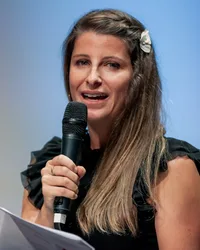
Given the concrete challenges of biodiversity, gaining the perspective of a speaker on biodiversity often helps move beyond institutional discourse and anchor the topic in the reality of your organisation. With in-depth expertise, this specialist brings real-life examples and fresh perspectives, opening up discussion on the real—and sometimes unexpected—impacts of biodiversity on your activities, your professions, and even the daily life of your teams.
Whether for a corporate conference, a seminar or a board meeting, choosing the right speaker on biodiversity means offering your colleagues a powerful moment, conducive to reflection and decision-making. Our selection helps you compare profiles to find the voice that will engage, mobilise or inspire, depending on the dynamic you want to bring to your event.
Read more Read less
The hidden roots of engagement: when biodiversity transforms team spirit
Opening a biodiversity conference often means planting an unexpected seed in your organisation’s culture. Surprising and unifying, a talk on this theme encourages teams to step outside the purely business framework and reconnect with the living fabric that surrounds us. Far from theoretical speeches, a speaker on biodiversity takes the audience on a tangible journey, where every collective action takes on new meaning.
In a seminar or convention, introducing the topic of biodiversity acts as a catalyst for new ideas. Faced with concrete examples, participants leave not only inspired but also equipped with solutions to integrate into their professional routines. It is often the starting point for unprecedented synergies between departments and roles.
The clash of ecosystems: why biodiversity captures attention far beyond the CSR department
Talking about biodiversity is not just for sustainability teams. This topic concerns production, management, innovation… anyone involved in the company’s transformation. A biodiversity conference brings out diverse viewpoints, often from unexpected quarters.
A speaker on biodiversity knows how to make the impact of nature on risk management, performance or creativity tangible. This type of event becomes a strategic lever, building bridges between departments and professions that may not usually discuss these topics together.
Real-life stories, not grand principles: the memorable impact of a biodiversity talk
What truly stands out after a biodiversity conference are not the figures, but the lived stories: feedback on the regeneration of a site, the impact of a collaborative project with local wildlife, or the story of a radical change in practices. Far from theory, the talk brings the subject down to earth, into the tangible reality of everyday professional life.
This blend of personal story and global vision makes the talk unforgettable long after the event. The discussions that follow are often driven by shared emotion and a desire to take action, much more than by a simple checklist of commitments.
Decoding the jungle of profiles: how Lespeakers connects your needs to the right biodiversity expert
Every organisation has its own way of approaching biodiversity: strategy, internal mobilisation, product innovation, asset management… That’s why choosing a speaker on biodiversity should be based on a deep understanding of your expectations, your sector and your audience.
With proven experience in professional events, Lespeakers analyses your context, identifies the dynamic you want to create and suggests the expert who can open up new perspectives. The result? A biodiversity conference aligned with your ambitions, concrete and with a lasting impact on your teams.
Discover our speakers and experts on biodiversity
We help you find the right speaker
Share your needs with us: we'll contact you in under an hour.
After a quick exchange, we'll come back with a tailored selection of speakers.
Confirm your choice and sign off with your selected speaker.
Aïna Queiroz
Biology Researcher, Speaker, Author, and Podcast Producer
- Spoken languages
- French, English
Biology researcher, initially trained at CNRS, Aïna Queiroz led scientific research and innovation for 10 years within SMEs and large corporations. A specialist in biomimicry, her work has taken her around the world: from Japan to Costa Rica, she studies self-medication in great apes and symbioses between marine organisms. She also explores exceptional longevity by conducting ethnobotanical surveys among centenaria…
Deborah Pardo
Scientist, Entrepreneur, Polar Explorer
- Spoken languages
- French, English
Deborah PARDO holds a PhD in ecology with 8 years of experience in prestigious international research institutes. She is a global expert on albatrosses, which she has studied multiple times during missions in the Southern Ocean, modeling the catastrophic impact of human activities on them. In 2017, she was named one of the “Top 20 Innovative Women” by La Tribune after being the first French woman on the largest all-…

Thibault Genissel
Normalien, PhD in conservation science, speaker on the biodiversity crisis and environmental transition.
- Spoken languages
- English, French
- Speaking locations
- Dans le monde entier
Researcher specialized in applied biology to conservation, former student of the École Normale Supérieure de Lyon, I offer conferences and interventions on various themes, prepared or adapted to the needs of the host institution. Driven by a multidisciplinary training in biology, philosophy, agronomy, and modeling, my thesis work, conducted at the National Museum of Natural History, has contributed to developing the…
Frequently asked questions about speakers on biodiversity
What budget should you plan for a speaker on biodiversity in a company?
For a speaker on biodiversity, budgets generally range from €2,000 to €6,000 (excl. VAT) depending on their reputation, the duration, and the level of customisation required. A well-known or media-exposed speaker will logically command a higher fee. Other factors can also affect the price: preparing a workshop, tailoring the talk to a specific sector, or travel. Remember to budget for expenses (transport, accommodation). One detail not to overlook: some speakers offer a preliminary discussion to tailor their talk to your challenges, which can justify a price difference.
How do you choose a speaker on biodiversity for a corporate seminar?
Before contacting a speaker on biodiversity, clarify the objective of your event: do you want to raise awareness, inspire, or move to action? Also consider your audience profile: will a scientific leader be appreciated, or is it better to choose an expert communicator who can connect with your teams? Ask for examples of previous talks and check if the speaker can adapt their message to different sectors. Finally, trust your impression during the first exchanges: the ability to listen to your needs often makes the difference.
What formats are possible for a biodiversity talk in a company?
The most common format remains the plenary conference (45 to 60 minutes), but there are also more participative options: collaborative workshops, round tables or short talks followed by Q&A sessions. Some speakers on biodiversity even offer ‘walk and talk’ formats (guided nature walks) or practical workshops tailored to your working environment. Adapting the format to your participants and the time available ensures better engagement, especially if your audience is not already familiar with the topic.
How can you measure the impact of a speaker on biodiversity after the event?
The impact of a speaker on biodiversity goes beyond immediate reactions. Observe whether the topic continues to circulate among your teams: questions raised in meetings, new discussion groups, or even requests for concrete actions (workshops, internal projects). A post-event survey with a few targeted questions about key takeaways and motivation to act is also a good indicator. Finally, some speakers are open to a follow-up discussion a few weeks later to assess concrete outcomes and adjust support if needed.
What mistakes should you avoid when choosing a speaker on biodiversity?
The most common mistake: choosing a speaker on biodiversity solely for their reputation or scientific CV, without checking their ability to engage a business audience. A highly specialised but poor communicator can lose the audience in minutes. Another pitfall: neglecting preparation, especially briefing on your expectations and audience composition. Finally, be careful not to impose an overly alarmist or guilt-inducing tone, especially if the topic is new in your company: this can hinder engagement.
What profile of speaker on biodiversity is best for an audience with little prior awareness?
For an audience with little prior awareness, choose a speaker on biodiversity who is comfortable with popularisation, able to start from the participants’ daily reality and link biodiversity to concrete issues for your sector. Speakers who use examples close to the business, or who can share real-life stories, are more likely to spark interest. A profile that is too technical or activist may alienate the audience. The key is to spark curiosity, not guilt.
How long does a biodiversity talk in a company usually last?
Most talks by speakers on biodiversity in companies last between 45 minutes and 1 hour 15 minutes. This allows time for illustration, concrete examples and a Q&A at the end. For more participative formats, allow 1.5 to 2 hours, especially if you want to include workshops or co-creation sessions. Adapting the duration to the context (seminar, plenary, workshop) avoids overloading the agenda while ensuring real awareness.
Can you organise a biodiversity talk for a board of directors?
Yes, a speaker on biodiversity can absolutely address a board of directors, provided they adapt their approach: get to the point, link the topic to strategic issues and offer concrete action points for the company. Some speakers know how to translate biodiversity into business language, highlighting risks and opportunities for the organisation. At Lespeakers, we often recommend a preliminary discussion between the speaker and board members to best target expectations and the appropriate level of discourse.