
A seminar focused on health often provides the momentum needed to open up dialogue on practical topics: stress management, prevention, quality of life at work. Faced with the complexities of professional life, bringing in a speaker on health can give your teams a breath of fresh air and offer a new perspective on issues that are sometimes underestimated, yet crucial for engagement and collective wellbeing.
Choosing a speaker on health means bringing clear and accessible expertise into your corporate event, making health a tangible part of your organisation’s reality. Whether you want to raise awareness, spark debate, or support change, the right speaker will tailor their message to your audience and turn a key moment into the starting point for new practices. Compare the profiles below to find the one who will make a real difference at your next seminar.
Read more Read less
When prevention becomes a unifying topic for your whole team
Health is no longer just a matter for specialists—it’s a collective driver that affects every employee. Organising a health conference creates a space where experiences intersect: sleep management, mental load, nutrition, addictions. This unique event gives everyone, from frontline staff to management, the chance to open up about real-life situations and adopt useful habits for daily working life.
The discussions initiated by a speaker on health go beyond statistics or medical theory. They reconnect the team with real-world issues: shared wellbeing, risk prevention, and solidarity in the face of vulnerabilities. These moments of listening lay the foundations for a lasting dynamic, far beyond a one-off event.
Talks that energise your company, not just the agenda
A memorable health conference doesn’t just deliver information—it encourages us to step back from our routines, which can sometimes feel relentless. The input of an external expert, familiar with corporate realities, paves the way for individual and collective awareness. In this lively, interactive format, health becomes a resource that serves both performance and cohesion.
What sets a memorable talk apart is its ability to open up discussion, spark curiosity, and inspire action from the very next day. Bringing in a speaker on health means striking the right balance between expertise, inspiration, and teaching tailored to your audience.
HR, managers, works councils: everyone has a role to play in health
Health at work is about more than just accident prevention. For HR teams, it’s an opportunity to embed a culture of wellbeing and retain talent. Managers gain tools to support teams facing stress or remote work. The works council, meanwhile, represents the collective and promotes innovative prevention initiatives.
A successful health conference brings these different stakeholders together around a shared goal: caring for people at the heart of the organisation. It encourages a rethink of habits, helps decode early warning signs, and highlights initiatives that drive positive change in company culture.
Your partner for a tailored health speaker line-up
Finding the right speaker is not something to improvise when it comes to health. Lespeakers listens to your context, your specific challenges, and your expectations to select the profile that will make a difference. Health professionals, wellbeing experts, former patients or elite athletes: each background brings its own perspective and credibility to your event.
Our role is to support you at every stage, from defining the format to preparing the content, so your health conference is both relevant and engaging. At Lespeakers, we believe that meeting the right speaker on health is what truly adds value to your initiative.
Discover our speakers and experts on health
We help you find the right speaker
Share your needs with us: we'll contact you in under an hour.
After a quick exchange, we'll come back with a tailored selection of speakers.
Confirm your choice and sign off with your selected speaker.
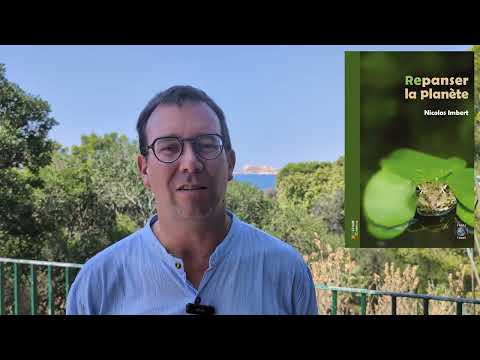
Nicolas Imbert
Rethinking the planet, helping to provide concrete answers to climate, environmental, health, economic, and social emergencies.
- Spoken languages
- French, English
- Speaking locations
- Dans le monde entier
Nicolas Imbert works to bring the earth together and rethink the planet, to help provide concrete answers to climate, environmental, health, economic, and social emergencies. An engineer graduated from Centrale Lyon and the University of Southampton, he has 25 years of experience in strategic support for organizations and territories towards resilience, in 3 dimensions: establishing resilience in global health of a…
Anne-charlotte Vuccino
Founder of YOGIST – Well At Work. Speaker, entrepreneur, author: performing without exhausting oneself in the age of AI
- Spoken languages
- French, English
- Speaking locations
- France · Europe
Graduated from HEC Paris, with a degree in philosophy and a master's in international management, Anne-Charlotte Vuccino begins her career as a strategy consulting director. Her trajectory shifts when a serious car accident leaves her disabled while she is leading an NGO in Africa. She regains the use of her leg thanks to yoga and discovers the power of movement and breathing to heal the body... and the mind. At 30,…
Stéphane Haskell
Author Director named "Goodwill Ambassador" for yoga by UNESCO
- Spoken languages
- French, English
Director, photojournalist, and writer, Stéphane Haskell spent 12 years at the Sipa Press agency before turning to documentary filmmaking. His films shot in all corners of the world are broadcast on French (TF1, France 2, France 5, and LCP) and international channels. Recently, his film, BREATHE: Yoga a Breath of Freedom, aired on Public Sénat and reached over 1 million viewers, winning numerous awards at festivals i…
Dr valérie coester
www.happymed-institute.com
- Spoken languages
- French, English
Doctor in general medicine and psychiatry Instructor in mindfulness and yoga therapy Certified in the Search Inside Yourself method developed at Google for wellbeing and performance Expert in neuroscience
Conferences
Frequently asked questions about speakers on health
What budget should I plan for a speaker on health?
The budget for a speaker on health varies depending on the speaker’s profile, the format, and the duration of the talk. For a recognised expert in the medical or scientific field, you should generally expect to pay between €2,000 and €8,000, excluding logistical costs. Some highly specialised or high-profile speakers may charge more. Remember to factor in any travel expenses, especially if the speaker is coming from another region. A good starting point is to define the objective of your event: an inspirational keynote will not have the same cost as an interactive workshop or a round table with several experts.
How do I choose the most suitable speaker on health for my audience?
To select a speaker on health, it’s helpful to start with your audience profile: a board of directors will expect a strategic approach and data, while a general audience seminar will favour accessibility and engagement. Check if the speaker has already addressed similar audiences and ask to view clips of their talks. Another useful indicator is their ability to tailor their message to your company’s context. Finally, a direct conversation with the speaker often helps you sense whether they can adapt to your expectations.
What mistakes should I avoid when choosing a speaker on health?
A common mistake is choosing a speaker on health solely for their CV or reputation, without considering their ability to communicate clearly or interact. In practice, some talks are too technical and lose the audience, while others are too general and lack practical value. Also check their ability to answer questions or improvise if needed. Finally, neglecting advance preparation between the speaker and the organising team can result in a message that misses your objectives.
What is the best format for a speaker on health?
The most effective format for a talk on health depends on your goals and the time available. A 45-minute keynote works well for raising awareness or starting a conversation, while an interactive workshop encourages participation in smaller teams. If you want to involve a larger audience, a round table with several speakers on health can offer complementary perspectives. Some organisers also choose hybrid formats, combining presentations with live Q&A, which helps keep attention high.
Can a speaker on health adapt to a non-specialist audience?
Yes, but not all speakers on health are equally skilled at making their topic accessible. A good speaker knows how to illustrate their points with real-life examples and can gauge the audience’s level of understanding as the talk progresses. Experts who have already led sessions in companies or with varied audiences tend to adapt their message without unnecessary jargon. Before making your choice, it’s helpful to ask the speaker how they make their topics accessible.
What is the ideal duration for a health talk in a company?
The most common duration for a talk on health is between 30 and 60 minutes. Less than 30 minutes risks being superficial; more than an hour can make it hard to maintain attention, unless you break up the time with discussions or workshops. If your schedule is tight, opt for a focused talk followed by a Q&A. Some organisers also plan a follow-up session a few weeks later to reinforce messages or measure impact.
How can I measure the impact of a speaker on health after the event?
To assess the impact of a speaker on health, it’s not enough to count the applause. Gather immediate feedback from participants, but also follow up a week later to see what has been retained or put into practice. Some organisers send out a short targeted survey or ask managers to observe changes in behaviour. The real impact is often seen in the speaker’s ability to spark discussions or new initiatives after the talk.
Can a speaker on health deliver their talk remotely?
Most speakers on health now offer remote talks, via video or webinar. This format works well for raising awareness or reaching multiple sites at once, but requires some adjustments: keep sessions shorter, encourage interaction through chat or polls, and check the speaker’s technical setup in advance (sound, video, connection). At Lespeakers, we find that virtual talks are most effective when they are lively and include time for live questions.