
A seminar where feedback takes centre stage is never like the ones before: the atmosphere shifts, conversations flow, and tensions ease or even become drivers of engagement. The presence of a speaker on feedback brings fresh energy, breaking routines and offering practical ways to turn every piece of feedback—positive or critical—into a shared opportunity for growth.
For an HR manager or event organiser, choosing a speaker on feedback means investing in expertise that can unlock tricky situations, build a constructive feedback culture, and help the whole team upskill. Whether it’s a company conference or a workshop, the hands-on nature of the topic ensures interactive sessions tailored to your needs. Here you’ll find a range of profiles to bring this new momentum to your project.
Read more Read less
When feedback sparks renewed collective engagement
A seminar on feedback is more than just sharing tips or listing best practices. It’s a chance to spark awareness, shake up habits, and turn silence into genuine dialogue. In this context, the input of a speaker on feedback acts as a catalyst: they surface hidden issues, unlock conversations, and inspire everyone to contribute to a culture of authentic communication.
This type of talk immerses the audience in real-life, often familiar situations, and offers tools that fit the realities of the workplace. The immediate effect? Greater involvement, teams who dare to speak up about what matters, and a new dynamic that lasts well beyond the event.
The power of the mirror: when the company sees itself through its teams’ feedback
Feedback isn’t just an HR tool: it’s a mirror that reveals habits, sometimes unspoken truths, and the untapped potential of teams. When an expert in feedback steps in, they know how to turn that mirror into a springboard. They get participants moving, encourage them to question their patterns, and rethink how everyone contributes to shared success.
A memorable feedback session doesn’t just “raise awareness”: it challenges, engages, makes people laugh and think in equal measure. You’ll recognise familiar situations, consider new approaches, and—most importantly—want to try out new habits straight away.
Managers, peers, leaders: when everyone becomes an active player in feedback
It’s easy to think feedback is just for managers or leadership. In reality, a good feedback session shows how every team member, whatever their role, plays an active part in the quality of communication. The speaker on feedback breaks down hierarchical barriers and invites the whole company to embrace this tool, from the shop floor to the boardroom.
This inclusive approach encourages accountability and collective engagement. Feedback stops being a top-down directive and becomes a shared reflex, supporting both performance and wellbeing for all.
At the crossroads of bespoke and company culture: finding the expert who truly connects with your teams
A successful feedback seminar doesn’t happen by chance. What makes the difference? A speaker who understands your challenges, tailors their message, and creates a climate of trust that encourages listening. Lespeakers helps you identify the profile who will engage your teams, with relevant examples and the right energy for your context.
Our approach goes beyond CVs or reputation: we decode your company culture, your challenges and your event style to suggest the personality who will spark that all-important shift. Because a powerful moment around feedback isn’t about theory—it’s about human connection, where real conversations can happen.

Discover our speakers and experts on feedback
We help you find the right speaker
Share your needs with us: we'll contact you in under an hour.
After a quick exchange, we'll come back with a tailored selection of speakers.
Confirm your choice and sign off with your selected speaker.
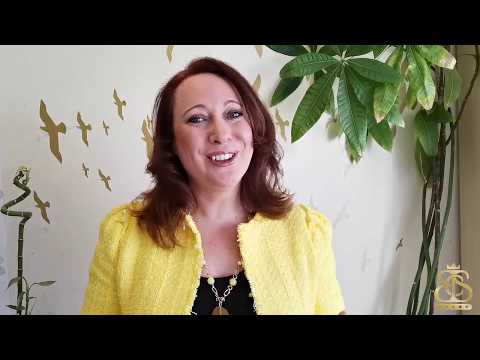
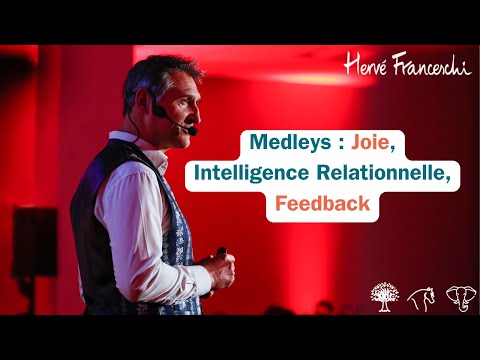
Hervé Franceschi
Explorer of Joy and Human Potential - Business Adventurer
- Spoken languages
- French, English
- Speaking locations
- Europe
Hervé Franceschi defines himself as an explorer of Joy and human potential and as a business adventurer. His friends describe him as a wonderer of Life, an explorer of Joy, and a "Maximizer" of human potential. Tall in stature and experience, small in his childlike wonder at the world; above the water in water polo, next to the whales he approaches with his clients, immersed in the eye of a cetacean a meter wide; he…
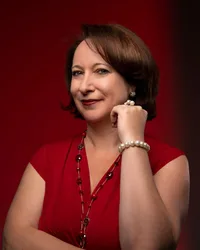
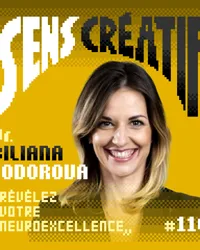
Biliana Todorova
International Speaker • Doctor of Science • Expert in Individual and Collective Performance • Passionate about the Brain
- Spoken languages
- French, English
Many people are interested in the brain and neuroscience, but no one in the world has submitted their own brain to more than 100 clinical studies. Biliana has done it! She has been so obsessed with understanding this powerful yet misunderstood organ that she has undergone dozens of MRI scans, electroencephalograms (EEG), and magnetoencephalograms (MEG). She even agreed to take two medications - Ritalin and Ketamine…
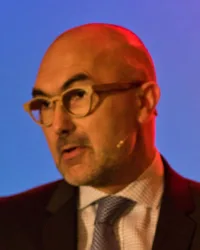
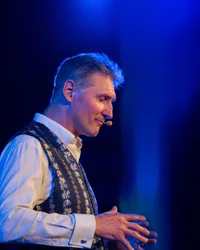
Benoît Quémar
Truly putting oneself in another's shoes: the simple key to becoming relevant, attractive, effective, fair, and overcoming crises
- Spoken languages
- French, English
By relying on empathy and the experiences felt by others (clients, users, participants, partners, colleagues, collaborators, superiors), Benoît helps companies, associations, foundations, or public services to operate in a flexible, contemporary, and efficient manner, anticipating the changes and transformations necessary for their evolution. In conferences, seminars, or workshops, Benoît improves intergenerational…
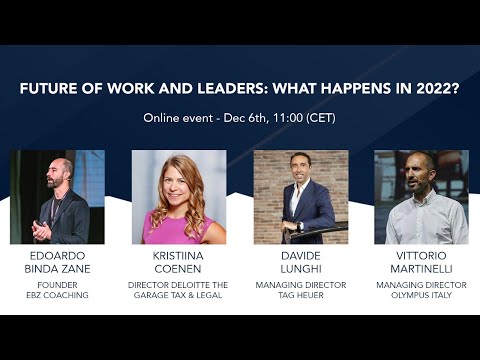
Edoardo Binda zane
Author, Future of Work Learning Consultant
- Spoken languages
- English
Edoardo Binda Zane is an author, keynote speaker, trainer, and consultant specializing in leadership, soft skills, and communication tailored for the future of work. With professional experience in Italy, Germany, and the Netherlands, he now equips organizations, managers, and teams with the essential skills to be faster, more adaptable, and capable of creating value in dynamic environments. He authored 4 books on C…
Claire Boscq
Speaker on employee experience and customer satisfaction
- Spoken languages
- French, English
60% of employees feel more motivated at work when the employer considers physical and mental well-being in the office (Source: mind.org) With an energy and dynamism that precede her reputation, Claire speaks at your conventions to re-energize your employees. During her conferences, she shares her experience of over 30 years in customer relations, mystery shopper surveys, and the development of a culture of trust, e…
Frequently asked questions about speakers on feedback
What budget should I plan for a speaker on feedback?
For a speaker on feedback, typical budgets range from €2,500 to €8,000 depending on their reputation, experience, and the format you want. You should factor in the time spent with your teams, any additional workshops, and sometimes travel expenses. A highly recognised or very experienced speaker may charge more, especially for multi-session or bespoke events. Requesting a detailed quote helps avoid surprises, especially for extra costs that are sometimes overlooked at the start.
How do I choose the right speaker on feedback for my company?
Choosing a speaker on feedback depends a lot on your company culture and the context of your event. Favour someone who has already worked with organisations similar to yours—they’ll be able to illustrate their points with relevant examples. Also, check their recent references and ask for videos of past talks: the ability to adapt their message to a specific audience often makes the difference, especially if your teams are already familiar with the topic.
What formats are possible for a feedback event?
A speaker on feedback can deliver a wide range of formats: classic keynote, interactive workshops, Q&A sessions, or even full-day support. Short formats (45 to 60 minutes) are great for kickstarting momentum, while a 2- to 3-hour workshop allows for practical exercises. Some clients combine both: a talk for everyone, followed by workshops for managers or key teams.
What mistakes should I avoid when choosing a speaker on feedback?
A common mistake is choosing a speaker on feedback solely based on their CV or media profile, without checking their ability to make the topic engaging and actionable. Another pitfall is failing to specify your concrete expectations during the initial briefing. A good speaker will ask about your specific challenges and tailor their session, but they can’t guess your priorities if you don’t express them clearly from the start.
Is a speaker on feedback suitable for an audience of experienced managers?
Yes, but it’s important to choose a speaker on feedback who has already trained or worked with senior managers. These audiences expect fresh insights, not generalities, and value real-life cases from complex situations. A speaker who offers immediately applicable tools and can challenge existing practices will hold their attention; asking how the speaker adapts their message for experienced profiles is a good sign of relevance.
How long does a speaker on feedback usually speak for?
A typical session with a speaker on feedback lasts between 45 minutes and 1.5 hours. To deepen practical application or encourage discussion, many organisers opt for 60 minutes followed by 30 minutes of Q&A. It’s also common to allow informal time afterwards, so participants can chat freely with the speaker and share their own experiences around feedback.
How can I measure the impact of a feedback session in my organisation?
To assess the impact of a speaker on feedback, it’s useful to get immediate feedback from participants, but the real indicator often comes in the following weeks: do you see changes in how feedback is given or received? Some Lespeakers clients choose to schedule a short follow-up session with the speaker to gather feedback, clarify how to apply the ideas, and track changes in practice—this goes beyond just immediate satisfaction.
What if my team is reluctant about a feedback session?
If your team isn’t keen on a speaker on feedback, it can help to co-create the content with a few internal champions: this avoids a ‘top-down lecture’ effect and encourages buy-in. An experienced speaker will also know how to start with relatable examples or stories from their own experience to break the ice. Planning an interactive segment right from the start helps turn curiosity—or even scepticism—into active participation.