
The difference between a general talk on negotiation and the input of a true expert is measured in the dynamic generated within your teams. A speaker on negotiation does not simply present concepts: they shed light on the real challenges you face, provide tools you can use as soon as you leave the room, and introduce new ways to approach power dynamics, preparation, or managing compromise. This external perspective, rooted in real-world experience, goes far beyond received ideas, turning a corporate talk into a genuine lever for action.
Given the diversity of profiles, choosing a speaker on negotiation is never a trivial decision. Some prioritise inspiration, others a detailed analysis of real cases, depending on the audience and the objectives of a seminar or board meeting. Taking the time to compare these approaches ensures a talk that will have real impact, aligned with your operational challenges and your team's expectations.
Read more Read less
Decisive face-off: when the room becomes a negotiation arena
In a seminar or convention, negotiation is not just about case studies or anecdotes. It’s the collective energy, confronted with imagined or real-life situations, that reveals the true dynamic of a talk. A speaker on negotiation excels at turning every interaction into a genuine mental workout, where participants move from being spectators to becoming actively engaged. Tensions, compromises, the power of silence… everything is experienced live, in sync with the event.
What makes a negotiation talk memorable is not the accumulation of techniques, but the lasting impact on how your team approaches disagreements and builds agreements. Through scenarios inspired by their own world, participants leave with a renewed vision of what a negotiation arena can be, and an immediate desire to try out these new reflexes internally.
Negotiation: a skill reserved… for everyone
It’s sometimes thought that negotiation is only for salespeople or seasoned lawyers. In reality, every team member—from managers to procurement, from project leaders to HR—negotiates daily, often without even realising it. A successful negotiation talk highlights the invisible thread that links every professional exchange to a negotiation process—whether it’s defending a project, prioritising tasks, or resolving a conflict.
By giving everyone the tools to decode these situations, a speaker on negotiation collectively steers the company towards a new culture of dialogue. The messages, tailored to the diversity of roles, ensure that all participants leave with practical levers for their own daily challenges.
Between real-world lessons and unexpected insights: the hallmark of a memorable speaker
What sets a negotiation talk apart is the speaker’s ability to surprise their audience. Methods from sales, diplomacy, or crisis management translate brilliantly into business life, but it’s the art of recounting failure, the unexpected twist, or the impossible negotiation that really captures attention. A good speaker on negotiation stands out by breaking the mould, winning over the audience with humour, self-deprecation, or a fresh take on a defining moment in their career.
The negotiation talk then becomes a catalyst for rethinking received ideas and automatic behaviours. Through example, the audience discovers that the real issue is not always where you expect: sometimes, the final agreement matters less than the quality of the dialogue established. This shift brings out new reflexes useful to everyone.
Why Lespeakers never offers an “off-the-shelf” negotiation talk
Every company has its own negotiation DNA: a culture of compromise, a taste for challenge, a legacy of past conflicts… Lespeakers’ mission is to understand these specifics and guide you to the speaker on negotiation who can truly speak to your reality. Here, it’s not just about a catalogue, but a tailor-made service, from the initial brief to connecting you with the speaker.
Our role: to decode your expectations, identify your audience’s sensitivities, and select the profiles able to embody the spirit you want for your event. Far from standardised talks, every recommendation aims to spark engagement and change, so that the negotiation talk leaves a lasting mark on your team’s practices.



How to choose a speaker for a conference on negotiation?
 Top 5 french speakers on negotiation
Discover our top speakers on negotiation, recognized experts in their field. Find the ideal speaker for your event.
Read- Which speaker to choose for a conference on negotiation?
Which speaker should you choose for a conference on negotiation? Compare approaches, target audiences, and specific features to match the right profile to your…
Read
Discover our speakers and experts on negotiation
We help you find the right speaker
Share your needs with us: we'll contact you in under an hour.
After a quick exchange, we'll come back with a tailored selection of speakers.
Confirm your choice and sign off with your selected speaker.
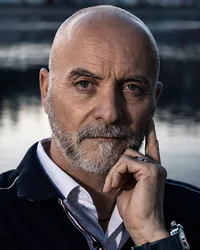
Steve a. Tineo
Expert in negotiation and self-leadership FR/EN · Strategic advisor to Fortune 500 & governments
- Spoken languages
- French, English
Leadership rarely fails because the strategy is bad. It fails because pressure distorts the perception of those who must decide. And almost no organization is prepared for it. For over 25 years, I have intervened where most hope never to find themselves: when decisions get stuck, sales fail, conflicts derail, and being wrong is not an option. 800+ missions. 60+ countries. CEOs, Fortune 500 executive committees, g…
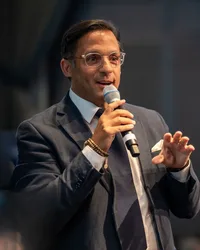
Marwan Mery
Professional Negotiator
- Spoken languages
- French, English
- Speaking locations
- Dans le monde entier
Marwan Mery is certainly the only negotiator in the world who conducts critical negotiations (kidnapping and ransom, extortion, suicidal), commercial, social, diplomatic, and therapeutic negotiations, particularly with patients refusing to take their treatment. A consultant for the United Nations and a lecturer at Harvard University in complex negotiation, he is the author of a dozen bestselling books. He also leads…
Conferences
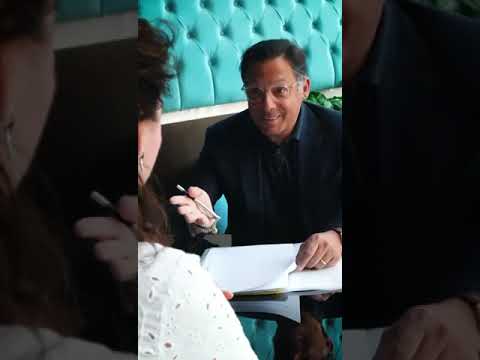
David Hornus
Kidnapping and ransom negotiator - 25 years of experience in economic security and crisis management
- Spoken languages
- French, English
- Speaking locations
- Dans le monde entier
I have experienced high-intensity crises from the inside: kidnappings, disappearances, arbitrary detentions, extortion, death threats, post-attack interventions. I know what happens when the unexpected strikes a company — I have seen the effects of the crisis on organizations, teams, leaders, and sometimes their loved ones. I developed the concept of Ruddership ® "the exercise of discernment driven by experience"…
Frequently asked questions about speakers on negotiation
What budget should you plan for a speaker on negotiation?
For a speaker on negotiation, fees generally range from €2,500 to €8,000 excluding VAT, depending on their reputation, the length of the talk, and the level of customisation required. A well-known expert in commercial negotiation or conflict management often charges more than someone with a more hands-on background. Remember to include additional costs (travel, accommodation, adaptation to your sector’s context) in your budget: these details often make the difference in smooth organisation.
How do you choose the speaker on negotiation best suited to our company?
Choosing a speaker on negotiation mainly depends on your company culture and the level of your participants. An experienced sales audience will expect real-life cases, while a board of directors may be more interested in strategic feedback or behavioural insights. Always ask for recent videos of talks: the presentation style, ability to respond to questions, and the way concepts are illustrated often make the difference beyond the CV.
What mistakes should you avoid when choosing a speaker on negotiation?
A common mistake is to focus solely on the prestige of the speaker’s background without checking their teaching ability. Some experts know their subject inside out but struggle to deliver it in an engaging way or adapt to different audiences. It’s also risky to neglect the briefing: a speaker who is not well informed about your challenges may use irrelevant examples or lack interactivity. Finally, avoid overly top-down formats if you expect interaction.
Can a speaker on negotiation really change internal practices?
A speaker on negotiation is not a substitute for in-depth training, but they can spark lasting change if they combine storytelling, real-life examples, and practical tools. The most visible impact is often the quick adoption of one or two easily transferable methods, such as structured preparation for a difficult meeting or handling objections. After the event, some managers use the anecdotes or frameworks from the talk as shared references within their teams.
What is the best format for a speaker on negotiation?
The format depends on your objectives and the time available. For a seminar, an interactive talk (45 to 75 minutes, with Q&A) works well and gets the audience involved. If you want a deeper impact, consider a practical workshop or small-group role plays. A good speaker on negotiation can adapt their content for a short (plenary) or more participative (workshop) format, but it’s helpful to clarify your expectations from the start.
How can you ensure the speaker on negotiation will engage a challenging audience?
For a sceptical or experienced audience, choose a speaker on negotiation who can improvise and quickly incorporate situations experienced by the audience. The ability to respond to objections, ask targeted questions, or react to a silent room is a real asset. Check video clips from past events, and ask how the speaker handles unexpected moments or tense exchanges: this is often where the difference is made.
How long does a speaker on negotiation’s talk usually last?
A typical talk by a speaker on negotiation lasts around 45 to 60 minutes, which is ideal for maintaining attention and allowing time for questions at the end. Shorter formats (20 to 30 minutes) are suitable for plenary sessions but limit depth. For workshops or masterclasses, allow half a day for practical exercises and feedback. Always plan for some time for discussion, even if brief.
Does Lespeakers support the preparation of the negotiation talk?
Yes, support doesn’t stop at choosing the speaker on negotiation. A dedicated contact gathers your requirements, shares key information with the speaker, and helps you fine-tune the format to suit your event’s dynamic. This includes reviewing the brief, validating sensitive messages, or adjusting the agenda to your sector. This preparation in advance avoids surprises on the day and helps engage your audience.