

Addressing crisis management in a plenary session or workshop changes the dynamic of a professional event: it shifts from theory to action, from observation to concrete preparation. A speaker on crisis management shares tools, real-life experiences, and valuable perspective that energise teams at a key moment, when every contribution matters. It’s often an opportunity to open up honest dialogue about responses to the unexpected, equipping your colleagues to face reality—without dramatising or downplaying the stakes.
When choosing a speaker on crisis management, the relevance of their experience and their ability to tailor their message to your sector make all the difference. Whether it’s for a seminar, a corporate conference, or a board meeting, this external perspective brings immediate added value: it helps turn complexity into actionable levers, reassures teams, and breaks the status quo to better anticipate future challenges.
Read more Read less
The emotional crash test that reveals collective strength
Crisis management is never a solo effort. When a team faces the unexpected, every reaction counts—including silence. Inviting a speaker on crisis management immerses your colleagues in scenarios where people take precedence over processes. On stage, stress becomes tangible, solutions emerge from genuine exchanges, and pretences fall away.
These sessions leave a lasting impression because they put dialogue at the centre: not abstract theory, but real stories—often unexpected ones. The team leaves united, ready to face uncertainty with confidence. This is the energy that transforms a seminar into something concrete, far beyond slides and diagrams.
When weak signals become your best allies
Crises often brew where they’re least visible. A good speaker on crisis management brings out those weak signals that usually fly under the radar in an organisation. Through real-life examples, they teach the audience to spot the early signs of a critical situation and use them as positive triggers—before things escalate.
The impact of a crisis management talk is measured by the ability to turn vigilance into a collective reflex. Participants leave with tools to detect warning signs, anticipate action, and—above all—feel empowered to ask the right questions at the right time. This nuanced understanding of the field is what truly protects the organisation.
From the CEO to the front line: crisis doesn’t ask for permission
Crisis management recognises neither hierarchy nor department. A session on this topic challenges assumptions: every role, from the boardroom to operational teams, is involved—often at the same moment. A speaker on crisis management brings everyone on board, breaking down barriers of titles and habits.
In the room, everyone discovers how their actions—or silences—can influence events. This shared awareness fosters a common language and valuable solidarity in the face of the unexpected. Crisis waits for no one: it unites or divides. It’s best to choose unity—together.
You want real experience, not off-the-shelf solutions
When it comes to crisis management, every company has its own story, every sector its own storms. Our role: to connect your specific needs with a speaker who has weathered the storm—not just someone who talks about it. At Lespeakers, we dig into your challenges, friction points, and expectations to recommend the crisis management talk that will truly resonate, whether on stage or in a workshop.
Rather than a generic speech, we focus on real-world grounding: in-depth analysis, field anecdotes, and insights into human factors. That’s how memorable sessions are created—ones that leave a lasting mark on your organisation.


How to choose a speaker for a conference on crisis management?
 Top 5 french speakers on crisis management
Discover our top crisis management speakers, renowned experts in their field. Find the ideal speaker for your event.
Read- Which speaker to choose for a conference on crisis management?
Which speaker should you choose for a conference on crisis management? Compare the approaches, target audiences, and specific features to match the right profi…
Read
Discover our speakers and experts on crisis management
We help you find the right speaker
Share your needs with us: we'll contact you in under an hour.
After a quick exchange, we'll come back with a tailored selection of speakers.
Confirm your choice and sign off with your selected speaker.
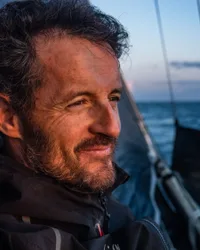
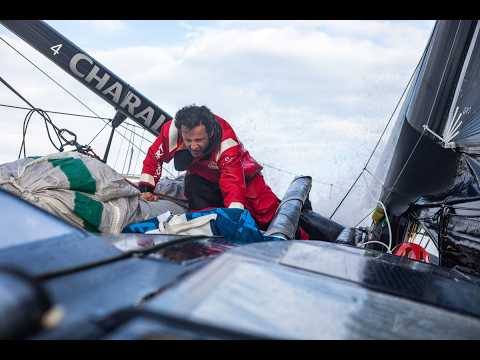
Christopher Pratt
Navigator, entrepreneur & researcher in psychosociology, Christopher translates his 25 years of offshore racing experience into leadership in uncertain environments.
- Spoken languages
- French, English
- Speaking locations
- Dans le monde entier
Navigator, entrepreneur, and researcher in sports psychosociology, Christopher Pratt has been sailing at the highest level for nearly 25 years. A Franco-British based in Marseille, he has raced solo, double-handed, and with a crew in the biggest races (Route du Rhum, Solitaire du Figaro, The Ocean Race) and on all types of offshore racing boats (Figaro, IMOCA 60, Ocean Fifty, Ultim multihulls). European champion and…
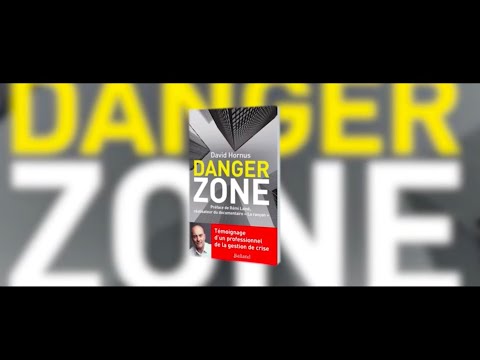
David Hornus
Kidnapping and ransom negotiator - 25 years of experience in economic security and crisis management
- Spoken languages
- French, English
- Speaking locations
- Dans le monde entier
I have experienced high-intensity crises from the inside: kidnappings, disappearances, arbitrary detentions, extortion, death threats, post-attack interventions. I know what happens when the unexpected strikes a company — I have seen the effects of the crisis on organizations, teams, leaders, and sometimes their loved ones. I developed the concept of Ruddership ® "the exercise of discernment driven by experience"…
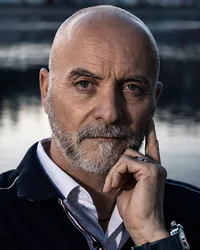
Marwan Mery
Professional Negotiator
- Spoken languages
- French, English
- Speaking locations
- Dans le monde entier
Marwan Mery is certainly the only negotiator in the world who conducts critical negotiations (kidnapping and ransom, extortion, suicidal), commercial, social, diplomatic, and therapeutic negotiations, particularly with patients refusing to take their treatment. A consultant for the United Nations and a lecturer at Harvard University in complex negotiation, he is the author of a dozen bestselling books. He also leads…
Conferences

Emmanuelle Hervé
CEO of EH&A Consulting, specializing in crisis management and sensitive communication
- Spoken languages
- French, English
An engineer by training, I began my career in India and then in the Middle and Near East for the American chemical group DuPont de Nemours, for whom I developed the MENA market. Returning to France in 2005, I subsequently founded the EH&A consulting firm, specializing in crisis management and sensitive communication, which I currently lead. As the president of the AFNOR commission and the international ISO working g…
Christophe Ginisty
Expert in strategic communication and international relations
- Spoken languages
- French, English
For over 25 years, he has built influence strategies for governments, multilateral institutions, and multinational corporations across four continents. In the Middle East, he led the communication that enabled Riyadh to win the 2030 World Expo and conducted national reputation campaigns for Saudi Arabia. At the OECD, he directed the organization's digital transformation on a global scale. For the European Commissi…

Xavier Carpentier-tanguy
Speaker, researcher-teacher, author, and consultant. Doctor in contemporary history from the École des hautes études en sciences sociales (EHESS). He conducted his research on influence, the circulat…
- Spoken languages
- French, English, German
Anticipating and managing crises: what geopolitics changes for French companies. Energy disruptions, vulnerability of maritime routes, tightening of exchange modalities, competition of narratives, and industrial dependencies towards China: these issues today redefine the performance conditions of almost all structures. Products arrive in the form of flows (by containers, by pipelines, by data) requiring monitoring…
Frequently asked questions about speakers on crisis management
What budget should I plan for a speaker on crisis management?
The budget for a speaker on crisis management depends on their experience, reputation, and the format you require. For a one-hour session with a recognised expert, expect to pay between €3,000 and €7,000 excluding VAT. Some highly specialised or media-known profiles may exceed this range. One often overlooked factor: additional costs (travel, accommodation, content adaptation). To avoid surprises, clarify your expectations from the outset (customisation, Q&A time, workshops) to receive a comprehensive proposal.
How do I choose a speaker on crisis management suited to my company?
To choose a speaker on crisis management, start with the type of crisis most relevant to you: cyberattack, social crisis, industrial incident, etc. Some speakers have specific hands-on experience (military, corporate crisis leadership, major accident management), while others offer a more methodological or psychological approach. Ask for examples of past sessions in contexts similar to yours, and prioritise those who can adapt their message to your sector and teams—this often makes all the difference in audience engagement.
What formats are possible with a speaker on crisis management?
Beyond the classic keynote (45 minutes to 1h15), a speaker on crisis management can also lead panel discussions, interactive workshops, or crisis simulations. The more the format involves participants (role-play exercises, targeted Q&A), the greater the impact. For a board meeting, a confidential session with anonymised case studies works well. For a larger seminar, opt for a participative format to engage different profiles in the audience.
What mistakes should I avoid when choosing a speaker on crisis management?
The most common mistake: choosing a speaker on crisis management solely for their reputation without checking their fit for your context. Some speakers shine on stage but struggle to address your teams’ specific questions. Failing to check their ability to adapt to your sector or your organisation’s maturity often leads to a session that’s either too theoretical or, conversely, too anecdotal. A preparatory meeting with the speaker helps clarify these points and avoid mismatches on the day.
How long does a speaker on crisis management typically present in a company?
The standard duration for a speaker on crisis management is between 45 minutes and 1h15, including questions. For more immersive formats, some are happy to run workshops lasting two to three hours, or even half a day if you want to work on practical cases specific to your organisation. Be aware that attention drops significantly after 1h30: it’s better to opt for a shorter, focused session, followed by informal discussion time if many of your team want to interact.
Can a speaker on crisis management adapt to a non-executive or mixed audience?
A good speaker on crisis management knows how to adjust their talk and examples to suit the audience. For operational teams or a mixed group, they will focus on real-life cases, field anecdotes, and practical advice rather than overly theoretical concepts. During the briefing, specify who will be present and their expectations: this helps the speaker avoid content that’s too general or, conversely, too technical. The quality of the session is often seen in how well vocabulary and examples are adapted.
How can I measure the impact of a speaker on crisis management after the event?
The impact of a speaker on crisis management isn’t measured solely by immediate feedback. In the weeks that follow, look for signs that messages or tools mentioned are being referenced in meetings or internal communications. A useful indicator: questions or requests for further information that arise within teams. You can also gather feedback through a targeted survey or schedule a follow-up with the speaker, who can offer concrete suggestions to keep the momentum going.
Does Lespeakers support preparation with the speaker on crisis management beforehand?
Yes, at Lespeakers, advance support is standard. We organise one or more preparatory meetings with the speaker on crisis management to refine the brief, confirm your key priorities, and tailor the format to your company’s context. This process helps avoid ‘off-the-shelf’ sessions that miss your real challenges. We also stay in touch right up to the event day to adjust any last-minute logistical or content details based on your feedback.